


1
/
of
6
Herbs Store
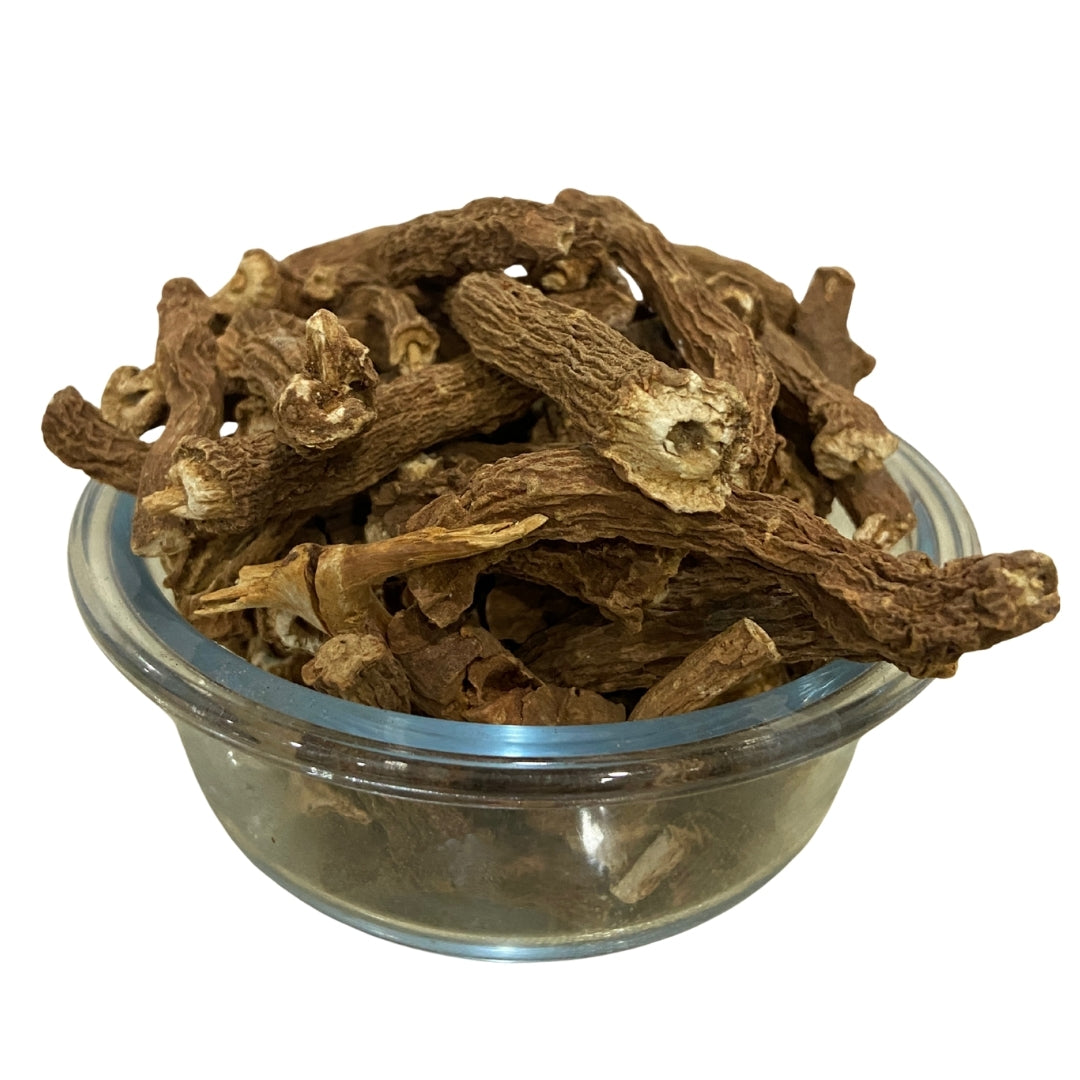
Anantmool Roots (Raw) - Nannari | Detox, Skin, Blood Purification
Anantmool Roots (Raw) - Nannari | Detox, Skin, Blood Purification
Regular price
Rs. 142.00
Regular price
Sale price
Rs. 142.00
Taxes included.
Shipping free
%
Buy 3 get 7% off
Shop any 3 & Get Extra 7% Off
Code: B3G7
%
Buy 2 get 5% off
Shop any 2 & Get Extra 5% off
Code: B2G5
Quantity
Couldn't load pickup availability
Anantmool (Hemidesmus indicus), also known as Anant Mool, Anantmul, Sariva and Indian Sarsaparilla, is a traditional herb valued in Ayurveda for its aromatic roots and cooling properties. Anantmool root has been used in traditional herbal preparations, particularly those associated with skin wellness, digestion and urinary health.
The Anantmool plant is a creeping, woody climber with slender stems and fragrant roots. In Ayurveda, Sariva is traditionally described as a Pitta-balancing herb and a Raktashodhaka, a term associated with blood purification in traditional practice.
Anantmool Benefits and Traditional Uses / Anantmool ke fayde
The commonly discussed Anantmool powder benefits include:
Skin wellness: Traditionally used in herbal preparations for maintaining healthy-looking skin.
Cooling properties: Used in Ayurveda to balance Pitta and support comfort during sensations of excess body heat.
Urinary wellness: Traditionally included in preparations intended to support normal urinary function.
Digestive support: Used in traditional formulations for digestive wellness.
Complexion care: Incorporated into herbal skin care preparations.
Traditional herbal support: Sariva is used in various Ayurvedic formulations for general wellness.
The traditional Anantamul benefits described in Ayurveda should not be interpreted as proven treatments for skin diseases, kidney disorders or other medical conditions.
Anantmool: How to Use It
Boil 3–5 grams of dried Anantmool root in 1–2 cups of water to make a decoction; strain and consume once daily, preferably on an empty stomach. It is traditionally used to purify blood, improve skin health, and support hormonal balance.
Anantmool Botanical Information
Common names: Anantmool, Anantmul, Anantamul, Sariva
Scientific name: Hemidesmus indicus
Common English name: Indian Sarsaparilla
Plant part used: Root
Plant type: Creeping, woody climber
Other Names
Ananta, Anantamul, Anantamula, Anantmool, Anantmool Madrasi, Anantmula, Asfota, Asli, Canadana, Dam Bel, Dugdhgarbhaa, Dum Bel, Gopaa, Gopakanyaa, Gopasutaa, Gopavalli, Gopi, Hemidesmus indicus, Indian Sarasaparilla, Indian Sarsaparilla, Kapuri, Kapuuri, Krishodari, Madhuri, Muttavapylagamu, Nannaari, Nannari, Naruninti, Periploca indica, Sariva, Sarsaparilla, Shveta Sarivaa, Shyama, Sogade beru, Sphotaa, Sugandhi-pala, Suganthipala, Sungandhipala, Upalasari, Upalasri, Upalsari, Uparsal, Ushbaa Hindi, Utpal Sariva, Utpalsaarivaa
What is Anantmool Ghan Vati?
Anantmool Ghan Vati refers to a concentrated herbal tablet preparation. Its composition and recommended use depend on the specific product, so check the ingredient list and manufacturer's instructions.
What are Anantmool benefits in Hindi?
Anantmool benefits in Hindi (अनंतमूल के फायदे) traditionally include its use in Ayurvedic preparations for त्वचा की देखभाल (skin care), शरीर को ठंडक देने (cooling support) and मूत्र स्वास्थ्य (urinary wellness). These traditional uses are not substitutes for medical treatment.
Share


Why Choose Bionest Herbals?
At Bionest Herbals, we aim to make traditional Indian herbs accessible to customers looking for raw herbs, herbal powders and other botanical ingredients.
Carefully selected herbs: Attention to the identity and condition of the raw material.
Ingredient-focused products: Clear product information to help customers make informed choices.
No unnecessary additives: Product composition should be checked on the individual label.
Convenient herbal options: Explore dried herbal ingredients and powdered forms according to availability.
Responsible herbal sourcing: A focus on quality, product handling and the value of traditional plant-based ingredients.
