


1
/
of
5
Herbs Store
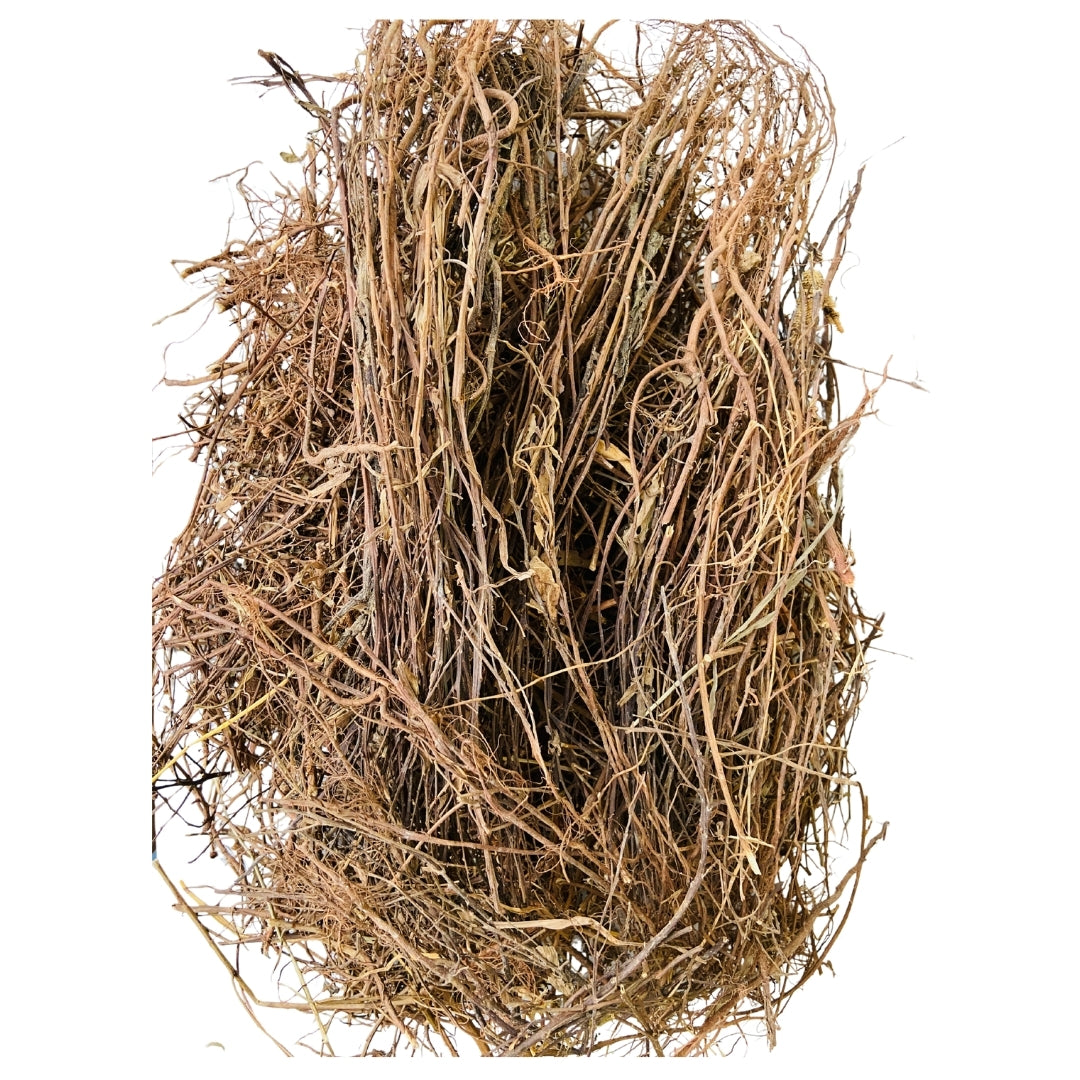
Bhumi Amla (Raw) - Bhui Amla / Phyllanthus Niruri / For Liver Health
Bhumi Amla (Raw) - Bhui Amla / Phyllanthus Niruri / For Liver Health
Regular price
Rs. 136.00
Regular price
Sale price
Rs. 136.00
Taxes included.
Shipping free
%
Buy 3 get 7% off
Shop any 3 & Get Extra 7% Off
Code: B3G7
%
Buy 2 get 5% off
Shop any 2 & Get Extra 5% off
Code: B2G5
Quantity
Couldn't load pickup availability
Bhumi Amla, also spelled Bhoomi Amla, Bhumi Amala and Bhui Amla, is a traditional Ayurvedic herb valued for its role in liver and digestive wellness. Known in Ayurveda as Bhumyamalaki, the Bhumi Amla plant is used in herbal preparations made from different parts of the plant. Panchang refers to the five main parts—root, stem, leaves, flowers and fruit—traditionally used together in certain preparations.
Key Health Benefits of Bhumi Amla
Supports Liver Health: Traditional Ayurvedic practices value Bhumi Amla for liver wellness. Bhumi Amla benefits for liver health are among its most widely discussed traditional uses.
Antioxidant Properties: The plant contains naturally occurring compounds that have been studied for antioxidant activity.
Supports Digestive Wellness: Traditionally used to support digestion and appetite.
Urinary Health Support: Bhumi Amla has a history of traditional use in preparations associated with urinary wellness.
Traditional Kidney Stone Support: Some traditional practices use Bhumi Amla for urinary stones, but reliable evidence that it dissolves or treats kidney stones in humans is insufficient.
Supports Skin Wellness: Traditionally included in herbal preparations for certain skin concerns.
Traditional Metabolic Support: Studied for potential effects on glucose metabolism, although it should not replace prescribed diabetes treatment.
These Bhumi Amla benefits and Bhumyamalaki benefits reflect traditional uses and preliminary research; stronger clinical evidence
Traditional Uses of Bhumi Amla Powder
Bhumi Amla powder, also called Bhumi Amla Churna, is prepared from dried plant material and used in traditional herbal formulations.
Bhumi Amla Churna: Used in Ayurvedic preparations associated with liver and digestive wellness.
Bhumi Amla Juice: Fresh plant juice is traditionally used in some preparations. The reported Bhumi Amla juice benefits depend on the preparation.
Bhumi Amla Decoction: The dried herb may be used to prepare a traditional herbal infusion.
Herbal Combinations: Bhumi Amla is sometimes combined with other herbs in compound formulations.
How to Use Bhumi Amla for Fatty Liver
Take 5–10 grams of dried Bhumi Amla (whole plant), boil in 200 ml of water for 10–15 minutes to make a decoction; strain and consume once or twice daily.
Botanical Information & Common Names
Common names: Bhumi Amla, Bhoomi Amla, Bhui Amla
Ayurvedic name: Bhumyamalaki
Botanical name: Phyllanthus niruri (species identification can vary in the herbal trade)
Family: Phyllanthaceae
Part used: Plant parts, depending on the preparation
Searches for Bhumi Amla benefits in Hindi, Bhui Amla benefits, and Bhumi Amla powder benefits commonly relate to traditional liver and digestive uses.
Products such as Bhumi Amla Juice Patanjali, Patanjali Bhumi Amla, Bhumi Amla Capsules Patanjali, and Bhumi Amla Powder Baidyanath are branded products from other manufacturers. Formulations such as Kalmegh Kutki Chirata Bhumi Amla Powder combine several herbs and are different from single-herb Bhumi Amla powder.
Other Names
Bhumi amala, Bhumi amla, Bhumyamalaki, Fillanto Niruhi, Phyllanthus niruri, Pumi amla
Share


Why Choose Bionest Herbals?
At Bionest Herbals, we aim to make traditional Indian herbs accessible to customers looking for raw herbs, herbal powders and other botanical ingredients.
Carefully selected herbs: Attention to the identity and condition of the raw material.
Ingredient-focused products: Clear product information to help customers make informed choices.
No unnecessary additives: Product composition should be checked on the individual label.
Convenient herbal options: Explore dried herbal ingredients and powdered forms according to availability.
Responsible herbal sourcing: A focus on quality, product handling and the value of traditional plant-based ingredients.
