


1
/
of
6
Herbs Store
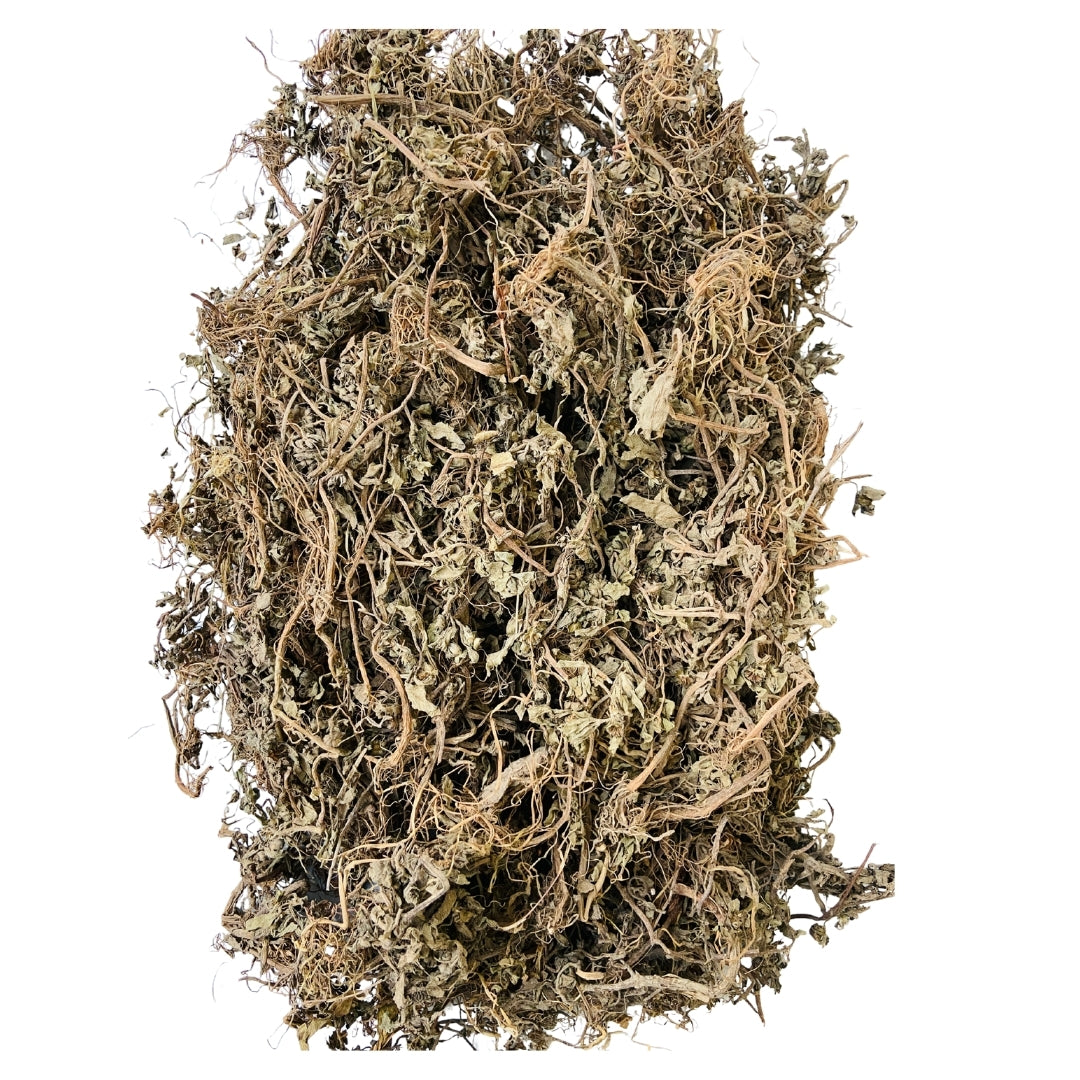
Bhringraj (Raw) - Keshraj / Eclipta Alba | For Hair Growth, Scalp & Shine
Bhringraj (Raw) - Keshraj / Eclipta Alba | For Hair Growth, Scalp & Shine
Regular price
Rs. 134.00
Regular price
Sale price
Rs. 134.00
Taxes included.
Shipping free
%
Buy 3 get 7% off
Shop any 3 & Get Extra 7% Off
Code: B3G7
%
Buy 2 get 5% off
Shop any 2 & Get Extra 5% off
Code: B2G5
Quantity
Couldn't load pickup availability
Bhringraj, also known as Bhringaraj, Bringharaja and Keshraj, is a well-known herb in Ayurveda, especially valued for traditional hair care. Its botanical name is Eclipta prostrata, also known as Eclipta alba. If you're wondering what is Bhringraj, it is a small medicinal herb whose leaves are commonly used in traditional hair and wellness preparations. The Bhringraj plant is widely recognised as an ingredient in Ayurvedic oils, powders and herbal formulations.
Key Health Benefits of Bhringraj
Supports Hair Health: Traditionally used to nourish the scalp and maintain healthy-looking hair.
Helps Maintain Hair Strength: Bhringraj for hair is popular in traditional hair-care routines intended to support stronger-looking hair.
Supports Scalp Care: Bhringraj leaves for hair are used in herbal preparations for scalp nourishment and conditioning.
Promotes Healthy Hair Appearance: Bhringraj benefits for hair include its traditional use in maintaining hair texture and natural shine.
Traditional Hair Oil Ingredient: Bhringraj oil benefits are associated with scalp massage, conditioning and overall hair care.
Supports Liver Wellness: Bhringraj has a history of traditional use in Ayurvedic preparations associated with liver health, although clinical evidence is limited.
Traditional Rejuvenating Herb: In Ayurveda, Bhringraj is valued as a Rasayana herb for general wellness.
These Bhringraj benefits reflect traditional uses. Scientific evidence that Bhringraj prevents hair loss, reverses premature greying or promotes hair regrowth in humans remains limited.
Traditional Uses of Bhringraj
The Bhringraj uses vary according to the preparation and intended application. Both the leaves and dried herb are used in traditional herbal products.
Bhringraj Powder for Hair: Bhringraj powder can be mixed with water to prepare a traditional hair mask.
Bhringraj Hair Oil: Bhringraj oil for hair is commonly used for scalp massage and hair conditioning.
Bhringraj Tel / Bhringraj Tailam: Traditional oil preparations used in Ayurvedic hair-care routines.
Dry Bhringraj: Bhringraj dried leaves and other dried plant material are used in herbal powders and formulations.
Bhringraj Hair Serum: Modern hair-care products may include Bhringraj as a botanical ingredient.
Bhringrajasava: A traditional Ayurvedic fermented formulation associated with Bhringraj.
The Bhringraj powder benefits and benefits of Bhringraj hair oil depend on the preparation and its ingredients.
Botanical Information & Common Names
Common name: Bhringraj, Bhringaraj, Keshraj
Botanical name: Eclipta prostrata (syn. Eclipta alba)
Family: Asteraceae
Part used: Primarily leaves and aerial parts
Hindi names: Bhringraj, Bhringraj Paudha, Bhangra
The Bhringraj paudha, also searched as the hair Bhringraj plant, is a small herb rather than a true Bhringraj tree. Names such as Bhringraj dry, Bhringraj dried, Mahabhringraj and original Bhringraj oil may refer to different forms or commercial preparations
Other Names
Ajagara, Angarak, Babri, Balari, Bhangaro, Bhangra, Bhangro, Bharingraj, Bhingraj, Bhringraaj, Bringharaj, Bungrah, Eclipta, Eclipta alba, False Daisy, Kesuti, Maka, Markav, Mockhand, Prostrata, Thistles, Trailing Eclipta
Share


Why Choose Bionest Herbals?
At Bionest Herbals, we aim to make traditional Indian herbs accessible to customers looking for raw herbs, herbal powders and other botanical ingredients.
Carefully selected herbs: Attention to the identity and condition of the raw material.
Ingredient-focused products: Clear product information to help customers make informed choices.
No unnecessary additives: Product composition should be checked on the individual label.
Convenient herbal options: Explore dried herbal ingredients and powdered forms according to availability.
Responsible herbal sourcing: A focus on quality, product handling and the value of traditional plant-based ingredients.
