


1
/
of
6
Herbs Store
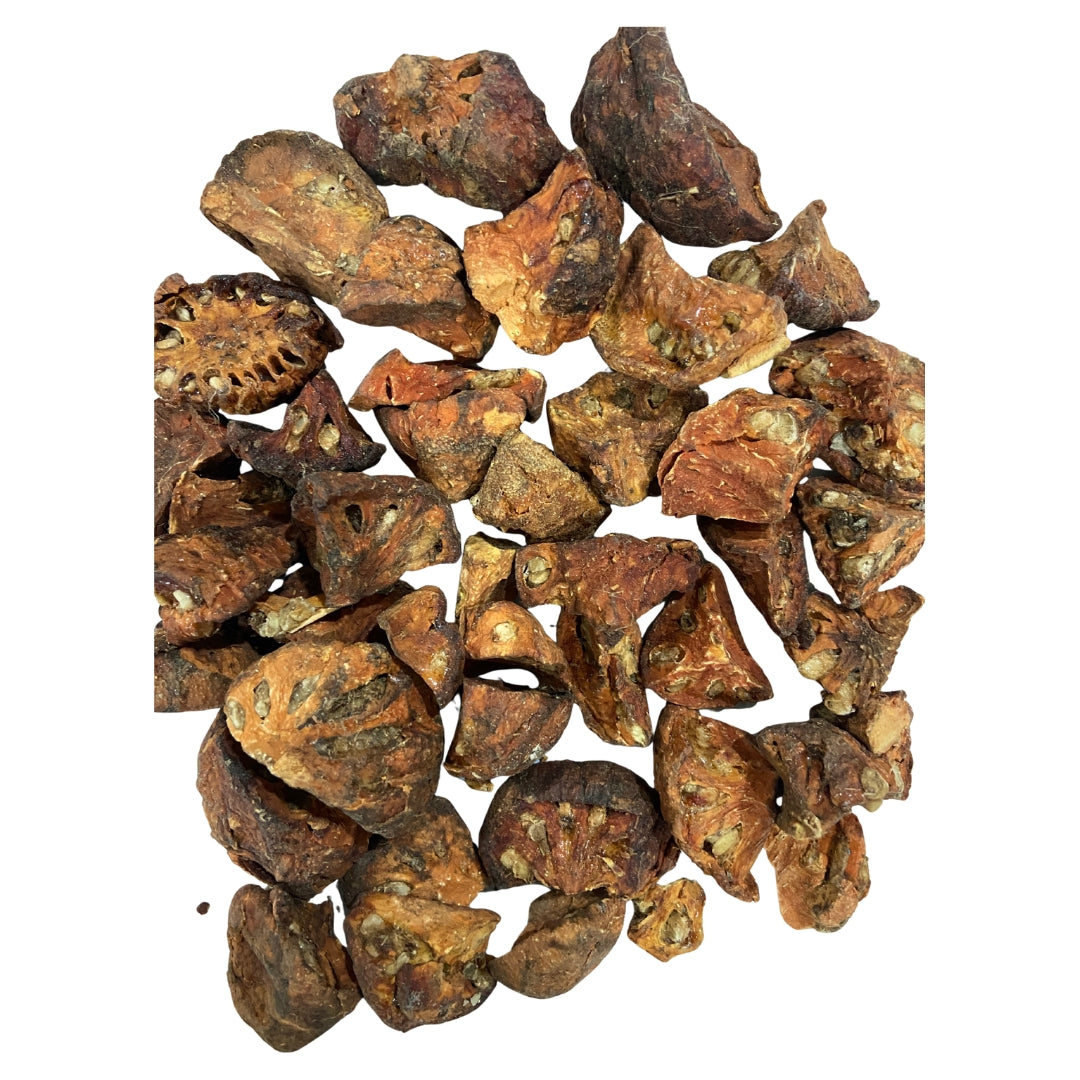
Bael Fruit (Raw) - Bel giri / Vilvam | For Digestion, Constipation, Gut
Bael Fruit (Raw) - Bel giri / Vilvam | For Digestion, Constipation, Gut
Regular price
Rs. 134.00
Regular price
Sale price
Rs. 134.00
Taxes included.
Shipping free
%
Buy 3 get 7% off
Shop any 3 & Get Extra 7% Off
Code: B3G7
%
Buy 2 get 5% off
Shop any 2 & Get Extra 5% off
Code: B2G5
Quantity
Couldn't load pickup availability
Bael Giri, commonly known as Bel Phal or Bilva fruit, is obtained from the fruit of the Bael tree. Known as Bael in English or Wood Apple, it has an important place in traditional Ayurvedic practices, particularly for digestive wellness. The Bael botanical name is Aegle marmelos, and its dried fruit pulp is traditionally valued for its astringent properties and bael fruit benefits for stomach health.
Key Health Benefits of Bael Giri
Supports Digestive Health: Traditionally used to support digestion and maintain healthy bowel function.
Helps Manage Loose Stools: The astringent properties of dried Bael fruit have made it a traditional choice for managing diarrhoea.
Supports Intestinal Wellness: Used in Ayurveda to support intestinal function and digestive comfort.
Stimulates Digestion: Traditionally valued for supporting appetite and digestive activity.
Helps Relieve Bloating: Used in traditional preparations for digestive discomfort, including gas and bloating.
Supports Gut Balance: Traditionally used to support the body's digestive balance and intestinal health.
Traditional Metabolic Support: Bael has also been used in traditional wellness practices to support healthy metabolism.
Antioxidant Properties: Bael fruit contains naturally occurring plant compounds with antioxidant potential.
Supports General Wellness: Traditionally included in herbal preparations intended to support vitality.
Traditional Respiratory Use: Bael has also appeared in traditional preparations for cough and other respiratory complaints.
These bael benefits describe traditional uses and should not be interpreted as proven treatments for medical conditions. Persistent diarrhoea, breathing difficulties, or other significant symptoms require medical attention.
How to use Bel Giri
Soak 5–10 grams of dried Bael fruit slices in water for a few hours or boil them in 200 ml water for 10–15 minutes to make a decoction; strain and consume once daily. It is traditionally used to support digestion, relieve constipation, and manage diarrhea - best taken on an empty stomach.
Botanical Information & Common Names
Bael botanical name: Aegle marmelos
Bel scientific name: Aegle marmelos
Family: Rutaceae
Common names: Bael, Bel Phal, Bilva, Wood Apple
Part used: Fruit pulp
Traditional taste: Astringent, with sweetness varying according to maturity
The bel fruit, also called the bilva fruit, has a long history in Indian food and traditional herbal practices. Although bael fruit benefits for skin are sometimes discussed in traditional wellness contexts, strong clinical evidence for specific skin benefits remains limited.
Other Names
Aegle marmelos, Bael Phal Dry, Baela, Bealgiri, Bel Bael Giri, Belaache zaad, Belada Hannu, Belgiri, Beli, Belladi hannu, Belpatthar, Bengal Quince, Billu, Bilva, Bilwa, golden apple, Gorakamili, Japanese bitter orange, Kaitha, Koolam, Koovalam, Koth, Kothu, Maja, Maredu Pandu, Matum, Safarjale, stone apple, Vilam Palam, Vilvamaran, Wood Apple
Share


Why Choose Bionest Herbals?
At Bionest Herbals, we aim to make traditional Indian herbs accessible to customers looking for raw herbs, herbal powders and other botanical ingredients.
Carefully selected herbs: Attention to the identity and condition of the raw material.
Ingredient-focused products: Clear product information to help customers make informed choices.
No unnecessary additives: Product composition should be checked on the individual label.
Convenient herbal options: Explore dried herbal ingredients and powdered forms according to availability.
Responsible herbal sourcing: A focus on quality, product handling and the value of traditional plant-based ingredients.
